
KTL News
Comments: No Comments
Effectively managing supplier data, documents and records, and performance across a large supplier network requires consistent processes and data management practices to effectively verify food safety compliance and mitigate associated risks. Integrating standardized tools and information management solutions can significantly improve supplier program efficiency and streamline supplier management.
Supplier Management System
KTL’s Supplier Management System comprises custom tools built using Microsoft 365 and the Power Platform to streamline how an organization approves and manages suppliers, help control costs and reduce risk, and support compliance with internal requirements and regulations (e.g., Food Safety Modernization Act (FSMA) Foreign Supplier Verification Program (FSVP) Rule).
The Supplier Management System comprises the following:
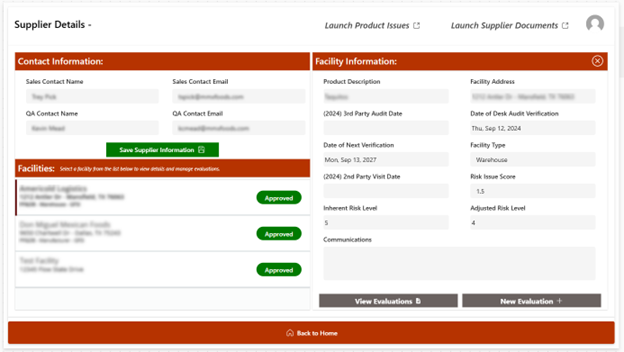
- Centralized Supplier Inventory: Maintains a centralized list of all suppliers the organization works with. This includes key details such as contact information, supplied products or services, certifications, supplier-specific requirements, compliance status, performance history, and facility‑specific requirements.
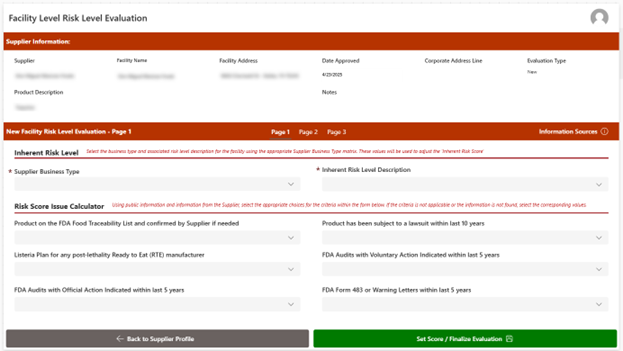
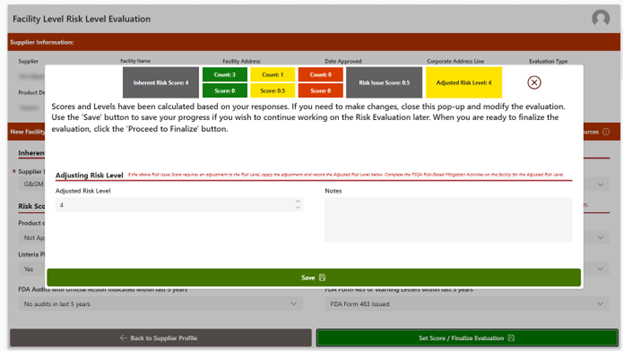
- Supplier Risk Assessment: Evaluates potential and existing suppliers by identifying and analyzing factors that could introduce risk into the supply chain. It examines elements such as compliance status, performance history, documentation quality, and contract adherence. The tool captures any identified risks and helps ensure they are documented, monitored, and addressed as part of an ongoing Supplier Management Program.
- Supplier Documents and Records Management: Provides secure and centralized storage and organization of supplier documents and records. When enabled, suppliers can upload their own documents in a secure folder, reducing internal resource requirements. This tool allows for improved document searchability and accessibility, a clear audit trail, and reduced paperwork.
- Supplier Approval Workflow: Supports a structured, standardized process for both the initial approval and ongoing re-evaluation of suppliers to ensure continued compliance with organizational, regulatory, and performance requirements. This feature uses a standard checklist to review certifications, licenses, risk indicators, and performance history to consistently evaluate suppliers. Through a repeatable process, organizations can reassess supplier performance over time, confirm ongoing compliance, and identify emerging risks or gaps that may require corrective action or follow-up.
Together, these features provide a comprehensive approach to supplier management that improves visibility, consistency, and accountability regarding supplier performance. Implementing a robust Supplier Management System like this can significantly help organizations strengthen supplier relationships, reduce operational and compliance risk, and maintain confidence in their supply chain, particularly when paired with regular supplier audits.
Connecting Supplier Audits
As food companies continue to expand their networks of co-manufacturers, ingredient suppliers, and packaging partners, the ability to identify and address systemic weaknesses has never been more important. Onsite supplier audits are a critical component of an effective Supplier Program, providing direct visibility into supplier operations; verifying compliance with organizational, regulatory, and contractual requirements; and protecting food product safety and quality.
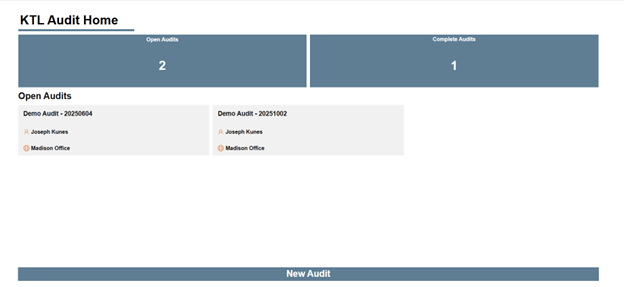
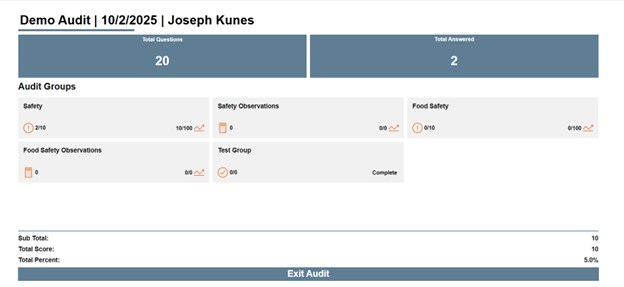
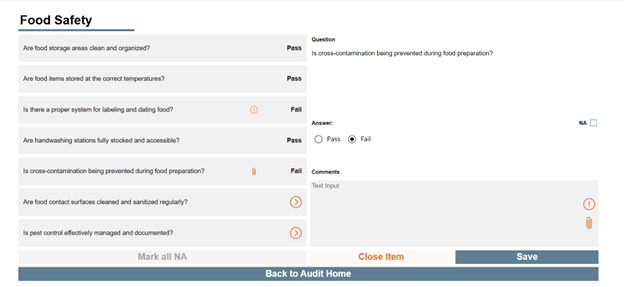
KTL’s Microsoft 365-based Audit Tool provides a consistent, data-driven means to conduct, document, and manage onsite supplier audits. The tool allows auditors to capture and verify audit evidence (i.e., compliance status, operational practices), standardizes audit protocol and criteria, and tracks audit progress from initiation through completion. It also monitors identified corrective and preventive actions (CAPAs) for each supplier, allowing organizations to quickly assess resolution status and trends.
Centralizing audit data and insights as part of the overall Supplier Program helps inform decision-making regarding suppliers, strengthen supplier performance, maintain ongoing compliance, and drive continuous improvement.
Learn More at the Food Safety Summit
Join KTL at the 2026 Food Safety Summit in the Tech Tent on May 14 at 10:30 a.m. to learn more about the various tools that can improve Supplier Program efficiency and streamline supplier management, including:
- The value of onsite second-party supplier audits.
- Common supplier audit findings and how to address them.
- How supplier auditing tools streamline audit management.
- Ways to centralize and analyze supplier audit data.
- How data-driven tools improve supplier risk prioritization and program efficiency.