
Comments: No Comments
KTL Expands Food Safety Resources
KTL is pleased to welcome the following new food safety resources to our team!

Samantha Humphrey, Consultant
Sam has 10 years of experience working in the food and beverage industry. She has specialized expertise in food safety training; regulatory compliance, particularly the FDA Produce Safety Rule; GMPs and GAPs; SOP development and implementation; GFSI certification; supply chain management; environmental monitoring; and food microbiology. Sam is a PCQI and Produce Safety Rule Lead Trainer, Certified ATD Master Trainer, Certified Professional – Food Safety (CP-FS), and Juice and Seafood HACCP certified. She is based in Raleigh, NC. Read her full bio…
shumphrey@goktl.com | 919.818.7858

Rachel Thomashow, Consultant
Rachel is an FSQA professional with nearly five years of experience working in the food industry. Her background includes compliance with GFSI requirements and GMPs, supplier documentation, research and development, and product quality verification. She further has experience working in a laboratory and performing analytical tests on food products. Rachel is a PCQI and HACCP certified. She is based in Chicago, IL. Read her full bio…
rthomashow@goktl.com | 847.769.5760

Comments: No Comments
Climate-Related Disclosures: SEC Final Rule
Agencies across the globe have implemented various voluntary and mandatory sustainability and carbon disclosure reporting requirements, ranging from the International Financial Reporting Standards (IFRS) Sustainability Disclosure Standards, to the EU Corporate Sustainability Reporting Directive, to the State of California’s climate disclosure legislation. Even the International Organization for Standardization (ISO) recently issued an amendment to ensure climate change impacts are considered by all organizations in their management system design and implementation.
On March 6, 2024, the U.S. Securities and Exchange Commission (SEC) followed suit, approving its much-anticipated final rule: The Enhancement and Standardization of Climate-Related Disclosures for Investors (Climate-Related Disclosure Rule). Initially proposed in March 2022, the SEC’s final rule requires publicly listed companies to report on greenhouse gas (GHG) emissions; climate-related risks; and other relevant environmental, sustainability, and governance (ESG) information. According to the SEC, the final rules are a continuation of the SEC’s efforts to respond to investor needs for more consistent, comparable, and reliable information about the financial effects of climate-related risks on a registrant’s business.
Overview of Requirements
The SEC’s recent action represents a significant milestone in the U.S., as it integrates climate-related risks and opportunities into business practices and investment decisions. Fundamentally, the final rule requires companies to:
- Identify any material climate-related risks, assess their impacts on financial performance and business strategy, and outline activities to mitigate or adapt to such risks.
- Disclose how they manage the oversight and governance of identified climate-related risk (i.e., the role of management and the Board of Directors).
- Provide information on any climate-related targets or goals that are material to the registrant’s business or financial condition.
- Provide comprehensive disclosure and attestation reporting on Scope 1 (i.e., direct) GHG emissions and Scope 2 (i.e., indirect) GHG emissions (large accelerated filers (LAF) and accelerated filers (AFs)).
- Disclose financial impacts of severe weather events and other natural conditions.
The final rule modifies the March 2022 proposed rule in several ways, most notably by removing the requirement for Scope 3 GHG emission disclosures and providing more time to implement disclosures and related assurance requirements. The SEC Fact Sheet provides a more comprehensive overview of all requirements included in the final rule.
The SEC Fact Sheet provides a more comprehensive overview of all requirements included in the final rule.
Timeline for Compliance
The final rule becomes effective 60 days after publication in the Federal Register. The requirements will be phased in for all registrants with the compliance date dependent upon the status of the registrant as an LAF, AF, or non-accelerated filer (NAF); smaller reporting company (SRC); or emerging growth company (EGC) and the content of the disclosure. Initial deadlines for Scope 1 and 2 GHG disclosures for LAFs begin as early as FY 2026. Refer to the SEC Fact Sheet for a breakdown on all deadlines.
What to Do
If it isn’t happening already, facilities need to start gathering emissions data, develop and implement a system to track GHG emissions, and create an action plan for climate disclosure. Even non-publicly traded companies can benefit from adhering to the general requirements of the new regulations, as publicly traded customers may require climate-related information. This presents an opportunity to demonstrate a commitment to ESG and improve brand reputation; an energy consumption analysis can also lead to improved efficiencies and cost savings.
For many, the SEC’s final rules have the potential to significantly expand requirements beyond what the company is already doing. The transition timeline is designed to allow companies the time needed to:
- Ensure the company has a robust management system in place to provide a solid framework for conducting the required risk assessments, managing new reporting requirements, and organizing required documentation. Note that ISO has taken recent steps to build climate change considerations into all its management system standards.
- Understand current disclosure reporting capabilities, data requirements, processes, and controls, then analyze what climate-related data has already been gathered and what additional information is needed to comply with the final rule.
- Establish or refine corporate governance and define clear roles, responsibilities, and charters for management oversight.
- Develop an action plan for implementation and integrate it with any other existing climate-related initiatives.
As organizations prepare to meet SEC disclosure requirements, KTL can help ensure they have the systems and processes in place to comply and to realize sustainable business value, including:
- Developing and implementing management systems that incorporate climate change considerations, including identifying environmental aspects and impacts, risks, and opportunities.
- Conducting energy audits and analyzing enterprise-wide energy consumption, trends, and opportunities for improvement.
- Calculating and tracking Scope 1, 2, and 3 GHG emissions.
- Identifying and planning for GHG emission reduction targets, renewable energy projects, and other opportunities to improve the organization’s carbon footprint.
- Developing information management tools to manage and track data and trend goals and objectives related to climate change.
Comments: No Comments
Don’t Miss KTL at the 2024 Food Safety Summit
As one of the premier events in the food industry, the Food Safety Summit provides a comprehensive conference and expo for attendees to learn from subject matter experts, exchange ideas, and find solutions to current industry challenges.
- When: May 6-9, 2024
- Where: Donald Stephens Convention Center, Rosemont, Illinois
- Who: Retailers, food processors, distributors, food manufacturers, growers, foodservice, testing laboratories, importing/exporting, law firms, and other food safety professionals
- Find KTL: Stop by our booth (#406) in the exhibit hall!
Tech Tent Case Study Presentation
Be sure to also update your agenda to attend KTL’s Tech Tent presentation on Thursday, May 9 at 11:15 am CT:
Case Study: Leveraging Existing Microsoft® Software to Develop a Robust FSMS
KTL will present a case study demonstrating how Italian Frozen Foods (IFF) USA is leveraging the company’s existing software—Microsoft Power Platform with SharePoint®—to elevate its food safety management system (FSMS) and effectively manage food safety compliance documentation, data, and certification requirements.
- Learn how you can use the software you already have to develop a robust FSMS.
- Understand the approach and process required to ensure successful development and implementation.
- Observe in practice how an integrated system can help organize, control, analyze, and visualize information so you remain in compliance and operate more efficiently.

FAQs on ISO’s New Climate Change Amendments
Effective February 23, 2024, the International Organization for Standardization (ISO) is integrating climate change considerations into all management system standards through its Climate Change Amendments. These Amendments ensure climate change impacts are considered by all organizations in their management system design and implementation.
ISO’s recent action supports the London Declaration on Climate Change of September 2021, which establishes ISO’s commitment to combatting climate change through its standards and publications. The aim of the recent Amendments is to make climate change an integral part of management systems design and implementation to help guide organizational strategy and policy.
What are the changes?
The Climate Change Amendments explicitly require climate change considerations in all existing and future ISO management systems standards, as incorporated into the Harmonized Structure (Appendix 2 of the Annex SL in the ISO/IEC Directives Part 1 Consolidated ISO Supplement). More specifically, the Amendments add the following two new statements to Annex SL for organizations to consider the effects of climate change on the management system’s ability to achieve its intended results:
- Clause 4.1: The organization shall determine whether climate change is a relevant issue, as it relates to understanding the organization and its context.
- Clause 4.2: NOTE: Relevant interested parties can have requirements related to climate change, pertaining to understanding the needs and expectations of interested parties.
The broad scope of these Amendments (i.e., impacting all standards) reflects ISO’s commitment to integrating climate considerations across diverse operational areas (e.g., environment, quality, safety, food safety, security, business continuity, etc.).
What do these changes require?
The original intent and requirements of Clauses 4.1 and 4.2 remain unchanged; however, the Amendments now require organizations to consider the relevance of climate change risks and impacts on the management system(s).
Potential climate change issues will likely differ for the various standards. The Amendments ensure these various risks are considered for each standard and, if actions are required, allow the organization to effectively plan for them in the management system.
What do certified organizations need to do?
Organizations that are certified—or are planning for certification—need to make sure they consider climate change aspects and risks in the development, maintenance, and effectiveness of their management system(s).
The Amendments specifically require these organizations to evaluate and determine whether climate change is a relevant issue within their management system(s). If the answer is yes, the organization then must consider climate change in a risk evaluation within the scope of their management systems. Where relevant, organizations are further encouraged to integrate climate change into their strategic objectives and risk mitigation efforts. The Amendments do not require organizations to do anything about climate change beyond considering the impacts on the management system’s ability to achieve its intended results.
What is the timeline?
The Amendments are effective as of the date of publication. There is no transition for implementation.
Certification bodies and auditors will cover the Amendments in audit activities when assessing this section of a management system. The audit will ensure climate change is considered and, if determined to be a relevant issue, included in company objectives and risk mitigation efforts. If climate change is deemed not relevant, the audit will assess the organization’s process for making this determination.
Will new certifications be issued?
Because the changes are considered a clarification, ISO issued them in the form of an amendment. New standards will not be republished until new versions are released; therefore, the publication year of each ISO standard will not change, and no new certifications will be issued.
What are the benefits of these changes?
The Climate Change Amendments underscore the importance of understanding and addressing the impacts of climate change. By publishing the Amendments in Annex SL, ISO is leveraging the widespread adoption of all ISO management system standards across operational areas to integrate environmental stewardship into organizational practices, promote sustainability, and drive climate change action on a global scale.
For certified organizations, the Amendments are intended to enhance organizational resilience and adaptability to climate-related risks. Considering climate change in this way can significantly contribute to business sustainability and long-term success by:
- Ensuring regulatory compliance (e.g., emission limits, sustainability reporting, etc.).
- Creating positive brand reputation as a sustainable company and associated customer loyalty.
- Managing risks and opportunities associated with supply chain disruptions, energy efficiency initiatives, employee health and safety, natural disasters, etc.
- Engaging employees and attracting new talent who prioritizes sustainability.
- Providing access to markets and investors that have sustainability requirements.

Comments: No Comments
Focus on Employee Safety in the Food Industry
Safety hazards exist in every manufacturing environment. The food industry is no exception. Between October 2018 and September 2019, the Occupational Safety and Health Administration (OSHA) issued a total of 1,168 citations resulting in over $7 million in fines to the food manufacturing industry alone.
Occupational safety and health risks in food manufacturing are often heightened because of the nature of the product (i.e., food or drink) being manufactured. Even food safety measures taken to prevent contamination and ensure food safety can carry inherent occupational safety and health risks.
While food safety is paramount for any company operating in the food industry, a company cannot stay in business if they do not take the appropriate measures to keep employees healthy and safe.
Common Safety Hazards in the Food Industry
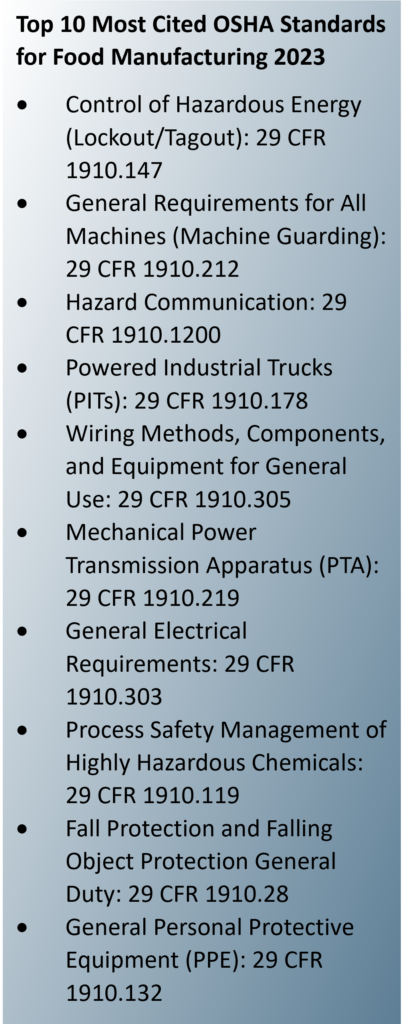
Lockout/tagout and machine guarding recurringly top OSHA’s annual list of the most frequently cited standards in food manufacturing. In fact, the most expensive OSHA fines of 2023 involved two food manufacturers and violations concerning machine guarding and lockout/tagout.
Lockout/Tagout
Employees need to be protected against the unexpected startup or release of energy. Lockout/tagout involves properly de-energizing and securing equipment so it cannot be operated unsafely when a machine needs service or repair. When employees work in a fast-paced environment, they may not take the required steps to first properly de-energize the equipment. As a result, approximately 1,000 workers die each year due to unexpected operation of equipment and/or release of stored energy. Machines and electrical equipment must be properly shut down, de-energized, and locked when servicing.
Machine Guarding
Moving machine parts have the potential to cause severe workplace injuries, such as crushed fingers or hands, amputations, burns, blindness—and most food processing machinery includes pinch points (i.e., blades, rolling parts, presses, etc.) that can put workers at increased risk. Safeguards for machine parts, functions, and processes are essential for controlling hazards and protecting workers from these otherwise preventable injuries.
Other Common Safety Hazards
- Ergonomics. Many food manufacturing jobs involve repetitive motion that can cause musculoskeletal disorders.
- Slips, trips, and falls. Sticky or wet products and frequent cleaning can both contribute to slippery work surfaces that increase the risk for slips, trips, and falls. The high volume of liquids used in food manufacturing and processing creates regular employee exposure to wet surfaces.
- Chemicals and harmful substances. Food facilities rely on various chemical sanitizers and disinfectants to prevent contamination. In addition, anhydrous ammonia, a common refrigerant used in food facilities, is very hazardous (i.e., corrosive, flammable, and explosive), even in small spaces.
- Cut hazards. Knives and other blades are common equipment in food processing plants. Dull blades cause more accidents because they are harder to work with, require more pressure, and may slip more easily. Blades should be sharpened, and employees should wear appropriate PPE.
OSHA Response: Local Emphasis Programs
Between 2016 and 2020, OSHA investigated fatalities, amputations, fractures, and crushed hands and fingers at food manufacturing facilities and identified the primary causes as failure to control hazardous energy or implement adequate machine guarding. In Wisconsin, Bureau of Labor and Statistics (BLS) data from 2011-2020 show that food manufacturing injury rates were consistently higher than the averages for all Wisconsin manufacturing companies. In 2019, OSHA found that food production workers in Ohio had a nearly 57% higher rate of amputations and 16% higher rate of fractures; in Illinois, these rates were 29% higher for amputations and 14% higher for fractures compared to private sector manufacturing.
In 2022, OSHA Region 5 established two Local Emphasis Programs (LEPs)—one for Wisconsin and one for Illinois and Ohio— to encourage employers to identify, reduce, and eliminate exposure to machine hazards during production activities and off-shift sanitation, service, and maintenance tasks (i.e., machine guarding and hazardous energy control – lockout/tagout). These LEPs run through at least 2027 and focus on reducing fatalities and injuries through outreach, education, training, and enforcement activities.
The LEP empowers OSHA to schedule and inspect food industry employers whose injury rates exceed the state average among all manufacturers. The scope of inspections conducted under the LEP focus on reviewing:
- Production operations, sanitation processes, and working conditions.
- Injury and illness records (i.e., OSHA 300 logs), particularly injuries pointing to deficiencies in machine guarding or the hazardous energy control program.
- Machine guarding hazards associated with points of operation, ingoing nip points, and moving or rotating parts of food processing equipment.
- Deficiencies in the hazardous energy control program associated with equipment service, maintenance, setup, and sanitation.
- Hazards associated with chemical burns from corrosives, such as those used for cleaning and sanitizing.
Prepare Your Facility…Protect Your Workers
If you fall under an OSHA LEP, you need to prepare your facility. Even if you don’t, you need to protect your workers.
- Prepare and maintain your OSHA 300 log with any work-related injuries and illnesses. KTL’s OSHA 300 PowerApp can make it easier to collect, search, analyze, store, and aggregate data so it is available when needed.
- Conduct a thorough hazard analysis of the facility, operations, and processes to identify potential safety hazards. The hazard analysis should answer what could potentially go wrong, what the associated consequences are, and how they can be prevented or eliminated.
- Develop, implement, and maintain the appropriate safety programs, procedures, and instructions. A safety management system that aligns with current food safety systems can provide resources to help companies identify and manage safety risks and an organizing framework for policies, procedures, and practices, including:
- Engineering controls for dangerous equipment, including machine guarding.
- Written energy control program and lockout/tagout procedures specific to each piece of equipment.
- Emergency response programs.
- Proper maintenance, cleaning, and sanitation procedures and schedules.
- Guidelines for proper use, care, and replacement of PPE.
- Train your staff. Workers need to have appropriate training, including use of PPE, hazards of extreme temperatures, material handling, hazard communication, lockout/tagout procedures, machine guarding procedures, etc. Initial safety training should be conducted when onboarding new employees, with refresher training provided annually to ensure competency. Training tracking systems allow for the centralized implementation, management, tracking, scheduling, assignment, and analysis of organizational training efforts.
- Provide proper PPE. Workers should be wearing proper footwear, gloves, safety glasses, ear plugs, aprons, etc. and be provided with anti-slip mats to ensure safety.
- Ensure safety data sheets (SDS) are current and available to help identify hazardous chemicals and protect employees from exposure. Train workers on the chemicals used in the workplace, including first aid, what to do in the event of a release, identifying characteristics, proper procedures for working around or with the chemical, and appropriate PPE.
- Use visual communication (e.g., labels, signage) to help protect workers from hot surfaces, exposed moving parts, pressurized systems, hazardous chemicals, slippery surfaces, and more.
Finally, prioritize safety. Small steps can go a long way in making sure employees leave work safely versus becoming an OSHA statistic.

Comments: No Comments
Risk Management Program (RMP) Amendments Finalized
On February 27, 2024, the U.S. Environmental Protection Agency (EPA) signed the much-anticipated final amendments to the Risk Management Program (RMP) Rule—known as the Safer Communities by Chemical Accident Prevention (SCCAP) Amendments—to further protect high-risk communities from chemical accidents. According to the EPA press release, the SCCAP Amendments include EPA’s most protective safety provisions for chemical facilities in history, requiring stronger measures for prevention, preparedness, and public transparency.
RMP Primer: A Sordid History
Just what the RMP Rule entails has been the subject of debate since EPA first proposed the RMP Amendments in 2017. Rules related to RMP requirements have been published, petitioned, delayed, vacated, reissued, and reconsidered. In November 2019, EPA Administrator Andrew Wheeler signed the RMP Reconsideration Rule, rescinding or modifying many of the measures of the 2017 Amendments. In August 2022, EPA proposed, once again, to strengthen the RMP regulations with the proposed SCCAP Amendments, which were finalized on February 27, 2024.
RMP regulates approximately 11,740 facilities in the U.S. that use extremely hazardous substances, including agricultural supply distributors, waste/wastewater treatment and end-of-life processing facilities, chemical manufacturers and distributors, food and beverage manufacturers, chemical warehouses, oil refineries, and other chemical facilities.
Fundamentally, the RMP Rule has always required facilities storing specific chemicals above certain threshold amounts to develop Risk Management Plans to prevent and mitigate accidents that could release those chemicals into the environment and cause injury or death, damage property and the environment, or require communities to evacuate or shelter-in-place. The Risk Management Plan is intended to:
- Identify potential impacts of a chemical accident on human health and the environment.
- Outline steps the facility is taking to prevent an accident.
- Detail emergency response procedures in the event of an accident.
The Rule also contains more rigorous requirements for a subgroup of facilities that are more prone to accidents and pose the greatest risk to the community.
Amendments
The SCCAP Amendments include several new requirements that require RMP-regulated chemical facilities to better consider surrounding communities, including the impacts of climate change, environmental justice concerns, employee participation, and enhanced community notification.
Historically underserved and overburdened populations disproportionately live in closest proximity to RMP facilities. In fact, according to EPA, approximately 131 million people live within three miles of RMP facilities and 44 million of these individuals earn less than or equal to twice the poverty level. The Amendments focus on increasing transparency and access to RMP information for communities living and working around the surrounding areas, as well as supporting President Biden’s Justice40 Initiative to protect disadvantaged communities.
In addition to the major amendments outlined in the table below, EPA is working to increase transparency by making RMP information more accessible through a public data tool, which will allow people to access information for RMP facilities in nearby communities.
| Area | Amendment |
| Safer Technology Alternatives Analysis (STAA) | Requires a STAA and, in some cases, implementation of reliable safeguards (e.g., inherently safer technologies and designs (IST/ISD), passive measures, active and procedural measures) for certain facilities in industry sectors with high accident rates (i.e., Program 3 NAICS 324 and 325 processes). |
| Employee Engagement | Advances employee participation, training, and decision-making in facility accident prevention, including: – Encouraging employee participation in resolving findings from process hazard analyses, compliance audits, and incident investigations. – Allowing for partial or complete process shutdown (i.e., stop work procedures) in the event of a potential catastrophic release. – Implementing a process for employees to anonymously report unaddressed hazards. – Requiring training on employee participation plans. |
| Root Cause Analysis Third-party Compliance Audits | Requires third-party compliance audits and root cause analysis incident investigations when facilities have had a prior RMP-reportable accident. |
| Emergency Response | Enhances facility planning and preparedness efforts to strengthen emergency response by: – Requiring facilities to develop procedures to inform the public about accidental releases. – Ensuring chemical release information is shared with local emergency planning commissions (LEPCs) in a timely manner. – Partnering with LEPCs to establish a community notification system to warn of impending releases. – Requiring 10-year field exercises for emergency response, as well as related mandatory scope and reporting requirements. |
| Natural Hazards | Requires facilities to evaluate risks of natural hazards and climate change and provide a backup power source for release monitoring equipment. |
| Information Sharing | Increases transparency by requiring facilities to provide chemical hazard information in the two most common languages spoken by individuals living, working, or spending significant time within six miles of the facility. |
| Facility Siting | Requires facility siting to be addressed in hazard reviews and explicitly defines facility siting requirements for Program 2 hazard reviews and Program 3 process hazard analyses. |
The Rule also includes several minor regulatory edits to clarify requirements related to recognized and generally accepted good engineering practices (RAGAGEP), hot work permits, retail facility exemptions, amongst others. Any new provisions that are not adopted require a written justification as part of the Risk Management Plan.
Timeline
Most provisions, including STAA, incident investigation root cause analysis, third-party compliance audit, employee participation, emergency response public notification, exercise evaluation reports, and information availability provisions have a deadline of three years after the effective date.
Facilities have until March 15, 2027 to conduct revised emergency response field exercises (or within 10 years of the date of an emergency response field exercise conducted between March 15, 2017 and August 31, 2022).
All updates to and resubmission of Risk Management Plans with revised data elements are due four years after the Rule’s effective date.
Next Steps
For RMP facilities, it is important to:
- Understand the hazards posed by chemicals at the facility and assess the impacts of a potential release.
- Review the Amendments to determine what updates need to be made to the facility’s Risk Management Plan and when.
- Prioritize your compliance risks and develop strategies to minimize them to the extent possible, including:
- Outlining steps to improve performance and safe operations.
- Defining organizational roles and responsibilities.
- Designing and maintaining a safe facility to prevent accidental releases.
- Minimize the consequences of accidental releases that do occur.
- Coordinate with local emergency responders to plan and conduct required tabletop exercises to ensure your plans work in practice.
- Streamline compliance methods and improve operational efficiencies by implementing IT solutions and compliance management systems that coordinate, organize, control, analyze, and visualize information.
KTL has experience working with a broad cross-section of industries impacted by RMP, particularly chemical companies. We have created RMP and General Duty Clause audit protocols, conducted audits and investigation/improvement programs following significant release events. In addition, our team provides Tier II and TRI reporting, writes plans for OSHA and Emergency Response, routinely works with LEPCs to coordinate emergency response efforts and exercises to keep communities informed and safe.

Information Management Solutions
Comments: No Comments
Tech Corner: Asset Management Tool
Functionality: What does it do?
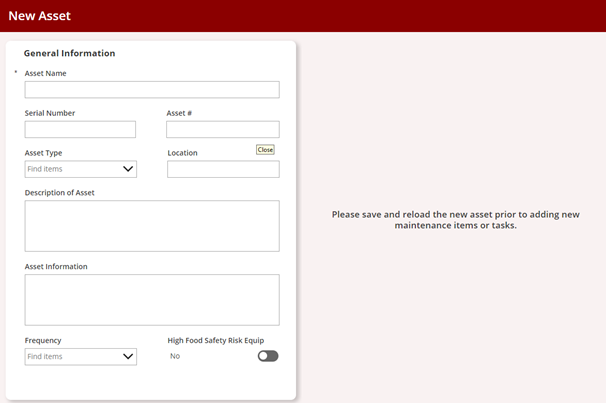
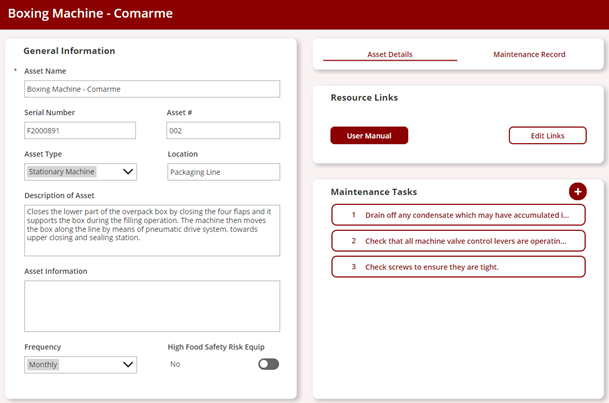
Asset management tools are designed to track, monitor, and manage physical assets while ensuring adherence to regulatory standards and industry requirements. The tools centralize asset data, documentation, and asset-related compliance processes, while reducing the risk of non-compliance.
Benefits: Why do you need it?
- Compliance: Track compliance requirements and maintain auditable records.
- Documentation: Associate assets with manufacturers’ manuals and other required documentation.
- History: Record details of past maintenance and repairs.
- Location: Track the location of the asset and the department or users that it is assigned to.
- Maintenance: Track and schedule maintenance tasks.
- Properties: Maintain a fully customizable list of details about many different types of assets.
Technology Used
- SharePoint
- Power Apps
- Power Automate

Comments: No Comments
What Is an Energy Audit–And Why You Should Do One
Want to reach your sustainability goals, improve your energy efficiency, and save money? An energy audit can help you better understand your energy usage and issues—and identify opportunities to create energy efficiencies, reduce your carbon footprint, and positively impact your stakeholders.
What Is an Energy Audit?
An energy audit is a key part of energy management. Energy management involves monitoring and controlling energy consumption across an organization to save energy, save money, and protect people and the environment. Energy management should be part of any organization’s overall strategy. An energy audit helps determine energy usage and opportunities for efficiency projects at your facility, building, or process. The overarching goal of an energy audit is ultimately to reduce energy consumption and improve efficiency without impacting work processes or products.
Types of Energy Audits
An energy audit can take a range of forms depending on how detailed and extensive it needs to be:
- Preliminary Analysis: Review bill, conduct energy usage trending.
- Treasure Hunt: Conduct a group exercise walking around identifying obvious wastes.
- General Audit: Analyze specific systems, conduct detailed inspection.
- Comprehensive Audit: In addition to the areas covered above, may include longer term monitoring and mechanical/electrical/civil engineering reviews.
- Ongoing Audit: Long-term monitoring of efficiency systems, scheduling retro-commissioning.
General Energy Audit Process
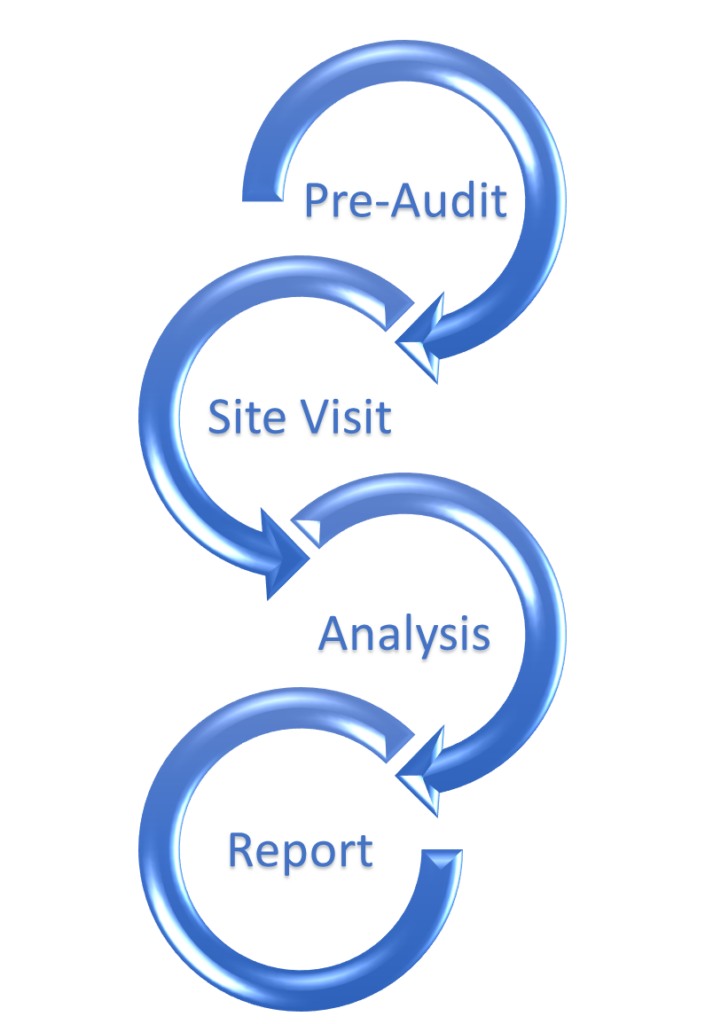
In general, the energy audit process comprises several steps and activities that culminate in final recommendations to improve energy performance and efficiency.
The pre-audit is a desktop review that helps to identify energy consumption patterns, including the energy “hogs” and peak usage trends (i.e., the hours of the day during which demand for electricity is the highest). It consists of the following activities:
- Review utility bill for demand charges, power usage, load factor.
- Demand charges are fees applied based on the highest amount of power drawn during any interval during the billing period. Demand charges can comprise a significant proportion of commercial customers’ bills.
- Load factor is a measure of the utilization rate or efficiency of electrical energy usage. It is an indicator of how efficiently energy is being utilized.
- Review equipment repair and occupant complaint logs.
- Review past audit results.
- Discuss with management internal goals, financial criteria, upgrades, and future plans.
The site visit allows the auditor to observe facility operations and assess how systems are operating in practice. It comprises activities such as the following:
- Conducting interviews with operators, key decision-makers, and other plant staff.
- Collecting data, including facility data, nameplate data, forms, and logs.
- Performing a site walkthrough/tour to review:
- Site development.
- Building envelope.
- BTUs of boiler/HVAC, compressors, refrigeration, large equipment, etc.
- Building exterior (e.g., roof plan, outdoor lighting, exterior equipment).
- Taking measurements (i.e., combustion, lighting, temperature, ultrasonic).
After collecting the pre-audit documentation and site visit observations, the auditor is able to then perform a detailed analysis of energy performance. This analysis involves calculating the following:
- Energy usage, including baseload and peak energy, adjusted for weather, occupancy, and production.
- Energy costs, including accurate application of rates, time of use applications, seasonal applications, utility bill ratchet.
- Energy efficiency measures (EEMs), including material and installation, disposal, engineering design, permits and fees, and rebates and incentives.
The final report provides an action plan highlighting short-term (i.e., low-hanging fruit) opportunities, long-term budgeted improvements, and company goals. It should also reference site management, potential future problems, and testing programs that can all impact energy programs and operations.

Impacting People, Planet, and Profit
Energy audits directly impact the three Ps of the triple bottom line:
People. The United Nations has identified climate change as the number one threat to human societies. Brown energy releases can substantially impact air quality and have significant negative impacts on human health. Creating energy efficiencies and reducing the use of non-renewable energy is key to mitigating this threat. Beyond the human health threat, improved EEMs can improve employee satisfaction and, subsequently, create a corporate culture shift that embraces sustainability. For example, optimized lighting, ventilation controls, and incentives for driving electric vehicles may lead to healthier and happier employees and improved retention.
Planet. In its simplest terms, reducing energy usage helps reduce carbon footprint and mitigate the impacts of global warming. For example:
- Fossil fuels are a finite resource. Reliance on them leads to the destruction of protected ecosystems and habitat. Lower energy demand decreases the need for power generation and the use of fossil fuels.
- Energy audits identify ways to reduce energy use. This, in turn, reduces air emissions and global pollution levels. The equation is simple: the less energy you use, the fewer carbon emissions you produce.
- Beyond energy efficiencies, energy audits also identify waste. Eliminating these waste streams prevents unnecessary landfill use and contributes to environmental sustainability.
Profit. The Carbon Trust estimates that most businesses can cut their energy costs by at least 10% (often by 20%) with simple actions that offer a quick return on investment. Operating more efficiently reduces energy consumption, which equates to significant savings on utility bills. This is particularly important as energy costs reach all-time highs. In addition, organizations that consume significant amounts of energy are at greater risk of being impacted by energy price increases or supply shortages. When an organization can reduce its demand for energy, it also reduces the risks associated with an energy shortage. Having greater control over energy consumption creates resiliency against energy price fluctuations.
Return on Investment
Once you have a comprehensive understanding of how energy is being consumed, it becomes possible to identify inefficiencies and opportunities for improvement, whether related to behavior (e.g., asking employees to turn off lights every night), technology (e.g., implementing integrated building management systems), or process (e.g., increasing operations during off-peak hours).
Energy audits may identify the following opportunities to reduce costs:
- Reducing operational inefficiencies, including continual running of motors, unoccupied spaces (light sensors), compressed air leaks, and others.
- Implementing EEMs, such as monitoring systems for malfunctions, insulating hot/cold water piping, implementing efficient lighting, and ensuring heat recovery.
- Optimizing building systems, including ventilation systems, lighting control systems, insulation, efficient windows, green roofs, etc.
- Identifying financial incentives, rebates, and demand response programs.
Energy Audit Best Practices
To get the most out of an energy audit, it takes time, data, budget, and buy-in. The following can help ensure your audit is successful and provides return on investment:
- Start small, plan ahead. Select the right type of audit based on the resources (i.e., time, financial, personnel) you have available. You can scale up your efforts over time.
- Set clear objectives. Identify what your organization wants to get out of the audit. Consider the 3 Ps—people, planet, and profit—and be open-minded. It may be about energy savings and cost reduction, but it also may be about meeting sustainability goals, creating a culture change, or retaining and attracting employees.
- Gather data. Review utility bills. Trend energy consumption. Assess building specifications.
- Enlist audit expertise. Engage the right auditors with the right qualifications. A Certified Energy Manager (CEM) and someone with an engineering background can add a depth of expertise to help identify concerns and opportunities beyond the “low-hanging fruit”.
- Conduct routine inspections and assessments. Update your maintenance program to include steam trap surveys, compressed air leak inspections, duct cleaning, and other routine inspections. These routine inspections allow for early detection of costly issues, and predictive maintenance can help reduce downtime and expand equipment life.
- Conduct routine measurement and verification. Just because you have implemented a system, process, or equipment does not mean that it is functioning as intended. Assess your EEMs regularly to ensure they are achieving the desired results.
- Engage your stakeholders. Include management staff, employees, and other decision-makers in your efforts. Engaging these stakeholders in creating solutions can help create buy-in and a culture change that makes energy efficiency and sustainability a way of doing business.

Comments: No Comments
Challenging the Food Defense Program
The Food and Drug Administration’s (FDA) Intentional Adulteration (IA) Rule aims to prevent acts targeting the food supply that are intended to cause wide-scale harm to public health. The IA Rule requires food businesses to assess and identify vulnerabilities in their processes, operations, and facilities; implement strategies to reduce those vulnerabilities; and then regularly monitor and verify the effectiveness of those strategies to reduce the occurrence of IA acts. A food defense “challenge” (also known as an intrusion test) is then used to assess how well those strategies are implemented throughout the organization.
What is the purpose of the IA intrusion test?
The purpose of an intrusion test is to evaluate a company’s existing food defense programs for proper implementation across the company by “challenging” the system’s efficacy. In an unannounced intrusion test, a food safety expert scopes out the facility and its vulnerabilities, attempts to gain access to sensitive areas, and tests how the food defense system works in practice.
The test helps facilities to:
- Assess whether food defense procedures are effectively implemented throughout the facility—and are being followed by personnel.
- Highlight facility strengths and implementation failures.
- Close identified gaps and reinforce programs, where needed.
- Meet FDA regulatory and Global Food Safety Initiative (GFSI) certification standard requirements.
Am I required to do one of these challenges?
To truly ensure food safety and defense programs work, they need to be challenged. The GFSI benchmarked certification standards all require some version of testing:
- SQF: The food defense program must be tested to ensure food defense strategies are effective, appropriate, and documented. This test can be based on a fictitious scenario that allows an intruder to enter the building and challenge the system.
- FSSC 22000: Organizations must conduct and document a food defense threat assessment based on defined methodology to identify and evaluate potential threats linked to processes and products.
- BRCGS: A documented risk assessment must be conducted to identify potential risks to the security of product and to ensure appropriate controls implemented to reduce the risk.
- IFS: The food defense plan must be tested for effectiveness and reviewed at least annually or whenever significant changes occur.
What does the process look like?
An important part of these tests is that they are unannounced, so personnel continue to operate as usual versus being on heightened alert. Tests are typically coordinated and scheduled with company leadership to take place at a time/date that is undisclosed to plant employees. Company leadership provides the food safety expert with documentation that confirms the test and outlines who to contact when/if “apprehended” to help keep the food safety expert safe.
Prior to conducting the test, the food safety expert will generally tour the facility to identify sensitive areas to target and opportunities to enter the facility. This is important since the first critical step in conducting the test involves gaining access to the building, whether through finding unlocked doors, pretending to be plant personnel, or even creating a cover story and walking through the front door.
Once the food safety expert is in the facility, the objective becomes to try to access as many sensitive areas as possible to truly “test” the system. The intrusion test is followed up with a detailed findings report that provides recommendations for closing gaps and strengthening the facility’s food defense program.
What does the IA intrusion test include?
An IA internal intrusion test evaluates company preparedness for intentional trespassing and internal attacks on sensitive areas inside the facility. The intruder will take advantage of employee movement (e.g., arrivals, breaks, lunches, departures); focus on physical controls of building access (e.g., employee entrances, garage doors, receiving/loading areas); and target sensitive internal areas within the building. The challenge will involve testing facility procedures and employee implementation, as well as the following food defense mechanisms:
- Card access/badge system/key protocol
- Reception area
- Visitor control/sign-in program
- Security guards
- Camera system
- Exterior door security
- Lighting
- Shipping/receiving areas
- Fencing
- Parking lot
What are common missteps identified in intrusion tests?
In many cases, the issues encountered are seemingly small things; however, the small issues can quickly result in very big problems if an intruder is able to access sensitive areas. Some of these include the following:
- Employees forget to ensure the door is shut and fully latched when leaving an area.
- Employees do not question the presence of visitors and, in some cases, will even open the door for an unknown individual.
- Badges and uniforms are left unattended throughout the facility for intruders to steal and use as identification. With this identification, interior areas are relatively easy to access and contaminate.
- Doors are not locked—either inadvertently or because locking mechanisms are not repaired—or are propped open for ease of access.
- Equipment on the exterior of the facility (e.g., ladders, company vehicles, tools, etc.) is not adequately controlled.
What can facilities do to prevent IA?
Training staff to understand food defense risks, identify suspicious activities and individuals, and implement preventive measures is key to reducing IA risk. FDA and the Department of Homeland Security’s (DHS) See Something, Say Something Campaign reminds front-line employees of what to look for and how to respond if suspicious activity occurs.
Importantly, staff must feel empowered to notify management if they notice anything suspicious. This might include someone taking notes or videos in the plant; an individual attempting to gain access to restricted areas; theft of employee uniforms, badges, or packaging labels; unattended vehicles illegally parked near the facility; unattended items near the business (e.g., boxes, bags); and suspicious work behaviors/hours from employees.
Best practices to prevent this suspicious activity from causing wide-scale harm include the following:
- Post security personnel to serve as a deterrent for intruders.
- Properly maintain exterior doors, parking lots, and outside lighting.
- Keep doors locked and closed, including entrance, break room, and loading docks.
- Ensure visitor stickers are removed and disposed of upon checkout.
- Secure open containers of food/food ingredients.
- Control access of all employees, visitors, contractors, delivery personnel, etc. to sensitive areas.
- Make sure visitors to the facility are accompanied by an employee.
- Monitor products for evidence of tampering (i.e., seals, labels, packaging).
- Complete background checks on employees.
- Train personnel to report suspicious individuals or activities.

Comments: No Comments
Now Hiring: Food Safety Specialist
Location: Chicago, Illinois (other locations considered)
KTL is seeking a Food Safety Specialist with 5-10 years of professional food safety consulting or relevant food industry experience to join our team. This individual will work under the direction of KTL Project Managers and Senior Consultants to manage and execute tasks for KTL’s food safety projects and meet client expectations. The Food Safety Specialist must have working knowledge of FDA, USDA, and GFSI requirements as they apply to food/food packaging manufacturing, processing, and distribution, and experience implementing/maintaining food safety documents and plans.
Responsibilities and tasks include the following:
- Providing HACCP, SOP, and SSOP development and implementation support
- Conducting gap assessments to FDA, USDA, and GFSI (i.e., IFS, BRC, FSSC22000, SQF) requirements
- Conducting relevant food safety training for clients
- Researching FDA, USDA, and GFSI regulatory requirements and maintaining standards updates
- Researching labeling regulatory review
- Interpreting third–party regulatory audits
- Reviewing, recommending, and coordinating efforts for environmental contaminants and pathogen testing program
- Working with clients and KTL senior staff to identify Food Safety Management System (FSMS) and program gaps and implement solutions for continuous improvement
- Maintaining and updating documents to ensure conformance and compliance consistency
- Participating in the development and management of KTL’s SharePoint® tools
- Assisting in growing clients and other business development efforts, as requested
Salary Range: $65,000 to $90,000 per year
Requirements
- B.S. degree in food science, biology, chemistry, technology, microbiology, or other related life science
- 5-10 years of related food industry experience in Quality Assurance/Control; experience in cooking, processing, manufacturing dairy, low-acid canned food, meat, or seafood preferred
- Excellent communication and presentation skills
- Excellent research, analytical, writing, and organizational skills
Preferred
- Microsoft SharePoint® and information management systems experience
- High–risk food or ingredients experience
- Understanding of food safety in food packaging
How to Apply
Forward a resume to recruiting@goktl.com.
Company Description
KTL is a management consulting firm providing EHS, sustainability, food safety, and quality consulting services to a wide range of industry, municipal, university, and government clients. Our focus is to build strong, long-term client partnerships and provide value-added solutions that simplify management systems, improve compliance, and establish more sustainable operations. KTL specializes in developing and implementing strategies, processes, and tools that complement our clients’ investments in existing programs and resources. Our highly qualified personnel have an in-depth knowledge of U.S. federal, state, and international EHS requirements; global food safety compliance; ISO management systems; and information management tools. Our consultants possess the education, work experience, and professional registrations necessary to provide value-adding consulting services to our clients.